
April 6, 2026
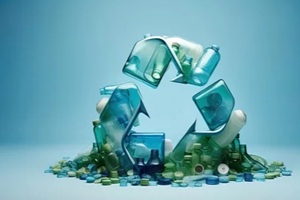
Innovation across materials science and manufacturing is reshaping the goals surrounding sustainability in plastics. Smarter production systems, new recycling methods, and alternative feedstocks are revolutionizing the design, manufacture, and recovery of plastic products.
Senior decision-makers at every stage of the value chain are increasingly focused on these technologies due to their ability to raise efficiency, limit waste, and reinforce long-term business outcomes.
| In This Article: How advanced recycling, plant-based materials, smart manufacturing, and emerging plastic technologies are accelerating sustainability in plastics while supporting circular economy goals across the industry. |
The scope of recycling has widened substantially, moving beyond conventional mechanical approaches to include new techniques designed to recover value from difficult or mixed plastics.
Chemical recycling, also known as advanced recycling, breaks plastic waste down to a molecular level, creating feedstocks that perform similarly to virgin materials and support high-value applications. Enzymatic processes, still in their early stages, accelerate polymer breakdown under controlled conditions, opening new pathways for harder-to-recycle materials.
Investment and policy support have helped these technologies scale, allowing manufacturers to integrate recycling directly into production systems. Closed-loop approaches now convert post-consumer plastics into reliable raw materials, extending product life cycles and keeping materials in circulation longer.
Improvements in collection and processing help recycling function as a tool for managing plastic waste rather than a signal to reduce material use across the board.
AI-powered sorting systems improve the precision of recycling operations by identifying polymers more accurately and faster. These tools raise recovery rates, reduce contamination, and lower processing costs, which supports broader adoption across the supply chain.
Closed-loop systems benefit from these advances by delivering consistent material quality for demanding uses such as food packaging.
Packaging derived from renewable feedstocks such as sugarcane, cornstarch, and algae continues to attract interest as production volumes increase and performance improves.
Many plant-based plastics now meet durability and barrier requirements associated with conventional materials, making them viable across food, retail, and consumer goods applications.
Regulatory mandates and corporate sustainability commitments have accelerated adoption, particularly in packaging segments with high visibility. As manufacturing capacity grows, costs continue to decline, positioning bio-based plastics as a practical option within existing supply chains.
These materials complement recycling efforts by diversifying feedstock sources while maintaining performance expectations.
Plastics with built-in antimicrobial properties support hygiene-sensitive applications while contributing to waste reduction.
By controlling surface-level bacteria, these materials help preserve integrity over time and reduce replacement rates. Settings such as hospitals, packaged food systems, and shared public areas benefit from materials that combine long wear life with reduced maintenance requirements.
Manufacturers continue refining additive formulations to support recyclability and material recovery. Non-toxic solutions and biodegradable options are expanding the use of antimicrobial plastics without compromising environmental goals.
Longer service life translates into more efficient material use and lower overall consumption across product categories.
Industry 4.0 technologies are reshaping plastic manufacturing by integrating automation, sensors, and real-time analytics into production environments.
These systems improve resource efficiency by reducing scrap rates, lowering energy consumption, and maintaining consistent quality throughout manufacturing runs.
Predictive maintenance tools extend equipment life and reduce downtime, thereby improving productivity and conserving resources. AI-driven supply chain analytics help manufacturers align production with demand, cutting excess inventory and waste.
Digitally enabled manufacturing approaches tie environmental objectives directly to how systems perform, scale, and deliver results.
New plastic technologies deliver measurable advantages across the supply chain. Observable, measurable results often take the form of:
These developments reinforce the role plastics play in modern life while addressing environmental expectations through innovation and collaboration.
While innovation is essential, shared regulatory frameworks and industry-wide cooperation are what allow new solutions to grow safely and consistently.
Engagement across equipment suppliers, processors, material producers, and recyclers supports consistent adoption and investment confidence. Market education remains essential so partners understand how advanced recycling, plant-based materials, and smart manufacturing work together within a circular economy.
Industry organizations help support these efforts by connecting the full supply chain, advancing sustainability initiatives, and providing insight into regulatory and market developments. Industry-wide coordination helps turn technical progress into real-world impact.
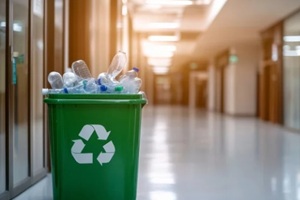
Emerging plastic technologies are steadily increasing expectations around environmental responsibility while remaining compatible with commercial viability.
Advanced recycling, bio-based materials, anti-microbial applications, and smart manufacturing illustrate how sustainability in plastics aligns with efficiency, durability, and innovation. Companies that stay informed and engaged position themselves to lead as standards, policies, and markets continue to advance.
To stay connected to the latest developments shaping sustainable plastics and industry advocacy, consider joining PLASTICS, the Plastics Industry Association. Membership offers access to research, policy insights, sustainability initiatives, and opportunities to collaborate across the supply chain while driving responsible innovation forward.
PLASTICS and the Future Leaders in Plastics (FLiP) Committee are devoted to supporting and encouraging the next generation of plastics leaders who will play a crucial role in the innovation, technology and future of the plastics industry. FLiP’s mission is to provide young professionals under the age of 40 the exposure, education and resources they need to build lifelong careers in plastics. Want to join? Want to get your employees involved? Email: flip@plasticsindustry.org
