
March 23, 2026

Growing emphasis on cleaner, more efficient manufacturing systems has expanded the role of plastic trays across numerous industries. These reusable, durable components contribute to smoother workflows, reduced waste, and more substantial alignment with long-term sustainability goals.
Companies investing in automation and advanced inventory technologies rely on trays that maintain structural integrity under continuous use, support standardized handling, and function as dependable assets in environmentally minded operations.
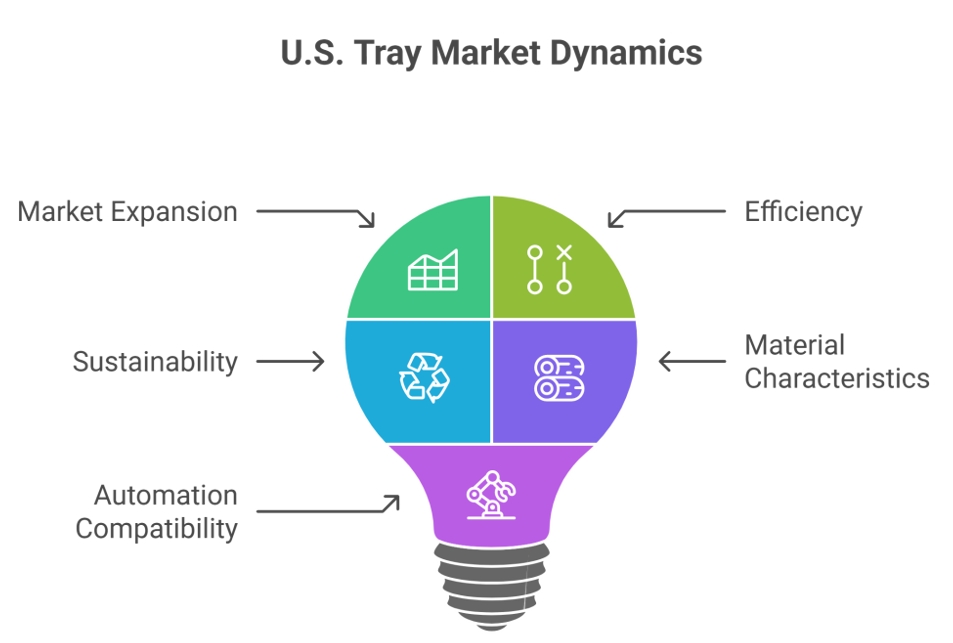
Steady expansion in the U.S. tray market signals broad recognition of the value these products bring to efficiency-driven facilities.
With a projected 6.27% CAGR through 2035, demand reflects the way trays streamline workflows, reduce material waste, and support structured handling processes across a wide variety of sectors.
Warehouses, logistics providers, and food processors continue to integrate trays into daily workflows because of their consistent dimensions, durable materials, and modular configurations, which strengthen both operational discipline and sustainability performance.
Many trays produced today are made from polypropylene. The material’s high strength relative to its weight, resistance to chemicals, and dependable performance in varied temperature environments support long service cycles.
Recyclability contributes to circularity goals, and its versatility enables manufacturers to create trays customized to specific industries. Facilities that depend on automation value polypropylene for its compatibility with conveyors, robotic arms, and storage systems that require consistent interaction with equipment.
The food and beverage sector has accelerated the adoption of stackable trays to support hygienic handling and consistent product movement through storage, processing, and distribution.
Trays maintain stability during transport, support cleanliness standards, and help protect product quality. Cold storage facilities also benefit, as trays maintain their structure despite moisture exposure and temperature fluctuations.
Automation integration has expanded tray usage. High-volume operations require materials that support predictable movement across interconnected systems. Trays engineered for this environment provide smooth interfacing with conveyors and robotic systems, helping reduce product loss and minimize waste from mishandling or breakage.
Advancements in tray design are making it easier for organizations to align their operations with circular economy principles.
RFID tagging and IoT-based monitoring provide traceability across multiple reuse cycles, improving oversight of returnable assets. Enhanced visibility supports smarter rotation of tray inventory, reduces losses, and strengthens accountability across supply chains.
Manufacturers in global markets have incorporated similar improvements. Several regions have emphasized the use of reusable trays in closed-loop systems, reinforcing environmental commitments and supporting predictable material flows.
The result is a growing international network of operations that treats trays as long-term resources rather than short-lived packaging.
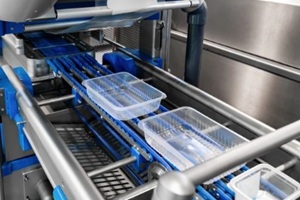
Facilities that incorporate plastic trays into their workflows evaluate material-handling needs, equipment compatibility, and sanitation requirements.
Trays that work effectively with automated systems help reduce downtime and simplify employee training. Lightweight polymers reduce strain on motors and equipment, enabling more efficient movement of goods.
One brief example of the priorities involved in integration includes the following:
These considerations guide long-term adoption strategies that reinforce both operational consistency and environmental responsibility.
Using reusable trays helps organizations curb the routine waste generated from single-use materials and improve overall sustainability efforts.
The extended lifespan of polypropylene trays reduces overall material consumption and supports predictable end-of-life recycling. Facilities that report reductions in product damage often attribute gains to the reliability of structured, uniform trays that provide better protection during transport.
Improved storage density contributes to more efficient use of space, sometimes reducing energy needs for climate-controlled environments.
Better warehouse organization supports more accurate forecasting and inventory management, helping limit unnecessary production, spoilage, or overordering.
Growing attention to recycling and circularity has encouraged manufacturers to prioritize trays that are compatible with established recycling systems. Industries with strict hygiene and safety requirements often seek materials that meet regulatory standards without compromising durability or performance.
Several producers have increased their focus on trays that support compliance with food safety regulations, environmental guidelines, and quality standards related to repeated reuse.
Organizations assessing broader tray adoption generally focus on long-term cost management, workflow efficiency, and alignment with sustainability programs.
Trays designed for repeated cycles of storage, transport, and sanitation help reduce dependency on disposable materials and support operational predictability. Many companies also consider digital tracking features as they modernize their inventory systems, particularly in environments where tray returnability is essential.
Market research and industry trend analysis support more informed decisions when assessing new handling systems. Data on automation readiness, material durability, and recycling opportunities enable companies to select solutions that enhance both operational performance and environmental sustainability.
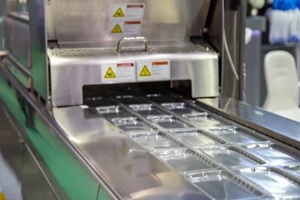
Plastic trays are playing an increasingly significant role in sustainable operations across multiple sectors. Their combination of durability, reusability, and compatibility with advanced handling technologies provides a strong foundation for businesses aiming to improve environmental performance without compromising efficiency.
To stay connected to the latest developments in sustainable materials and advanced manufacturing solutions, consider joining PLASTICS, the Plastics Industry Association. Membership offers access to market data, recycling initiatives, advocacy support, and programs that help companies advance operational efficiency while contributing to long-term environmental progress.
PLASTICS and the Future Leaders in Plastics (FLiP) Committee are devoted to supporting and encouraging the next generation of plastics leaders who will play a crucial role in the innovation, technology and future of the plastics industry. FLiP’s mission is to provide young professionals under the age of 40 the exposure, education and resources they need to build lifelong careers in plastics. Want to join? Want to get your employees involved? Email: flip@plasticsindustry.org
