
August 25, 2025

As businesses increasingly respond to consumer demand for environmentally friendly packaging, new research presents compelling evidence that recyclable plastic trays outperform existing laminated paperboard alternatives.
Far from merely reducing plastic use, packaging sustainability depends heavily on recyclability, carbon footprint, and alignment with real-world plastics recycling capabilities. Recent findings suggest recyclable plastic, specifically trays made from recycled polyethylene terephthalate (rPET), represents a superior environmental option, challenging prevailing assumptions about plastic packaging.
Recent research conducted by students from the North East Masters of Science and Engineering examined the environmental impacts of commonly used food packaging options.
The research involved a rigorous comparative life-cycle assessment from cradle to gate, evaluating factors such as carbon emissions, energy consumption, recyclability, and waste production.
Specifically, the study compared trays made from 85% rPET to laminated paperboard trays composed of virgin paperboard lined with virgin low-density polyethylene (LDPE).
Findings indicated clear environmental advantages for recyclable plastic trays. The study demonstrated that rPET trays generate substantially fewer carbon emissions than laminated paperboard trays, primarily due to lowered energy demands during production.
The research also highlighted recyclability rates as essential factors: 63% of rigid plastic consumer waste packaging is successfully recycled in the UK. In contrast, laminated composite packaging sees recycling rates close to zero.
Further insights confirmed that paperboard packaging, despite having lower plastic content, involves resource-intensive manufacturing processes, including pulping and chemical treatments.
These trays typically end up in landfills or incineration facilities, significantly increasing environmental harm. Conversely, rPET trays facilitate a more sustainable plastics recycling loop, drastically reducing reliance on virgin materials and landfill waste.
These findings have significant implications for the food packaging industry overall. Companies must reconsider their packaging strategies beyond simply lowering plastic usage, prioritizing strong environmental metrics.
Economically, rPET trays present tangible advantages. For instance, their production utilizes recycled materials, decreasing raw material expenditures.
High recyclability also leads to lower end-of-life disposal costs. Furthermore, integrating recyclable plastics can streamline supply chains by cutting dependency on virgin material suppliers and promoting circular economy practices.

Shifts in consumer behavior reinforce the need for strategic packaging decisions. Although consumer pressure has driven a move from plastic packaging, supermarket representatives report growing recognition among customers that plastic alternatives might increase overall carbon footprints.
Improved consumer education about recycling could further enhance the attractiveness of recyclable plastic options, promoting more sustainable purchasing behaviors and increased participation in plastics recycling initiatives.
Recyclable plastic trays can benefit manufacturers throughout the food packaging industry, from processors to retailers, by aligning with sustainability goals without compromising efficiency or product integrity.
In production, recyclable plastic packaging such as rPET offers simplified and energy-efficient processes compared to laminated alternatives.
Plastic packaging allows for standardized manufacturing processes, reduces production complexity, and improves material sourcing stability through recycled feedstocks.
Beyond improving production efficiency, plastic packaging enhances food quality and shelf life stability. Rigid plastic packaging significantly reduces spoilage rates for perishable foods, directly addressing important concerns around food waste, which WRAP estimates to be about 10.7 million tons annually in the UK.
These trays also uphold stringent food safety standards for meeting consumer confidence and maintaining regulatory compliance.
Quantitative data reinforces recyclable plastic’s sustainability credentials, showcasing meaningful reductions in greenhouse gas emissions and solid waste accumulation.
In direct carbon emission comparisons, recyclable plastic trays demonstrated lower greenhouse gas emissions due to streamlined manufacturing and recycling processes.
In addition, diverting plastic waste to recycling rather than landfills substantially reduces environmental degradation and effectively aligns with broader global sustainability objectives.
Implementing recyclable plastic trays requires targeted infrastructure enhancements and strategic industry collaboration to maximize environmental and economic gains.
Successful adoption depends on sufficient plastic recycling infrastructure for increased recyclable plastic usage.
Improved recycling capabilities, collection systems, and processing facilities must be prioritized alongside consumer education programs to maximize recycling participation rates and improve their overall impact.
Adopting recyclable plastic trays aligns with current regulatory frameworks and meets industry standards for recyclability, sustainability reporting, and waste reduction.
Businesses can proactively anticipate evolving regulations that favor sustainable packaging options, helping them maintain ongoing compliance while minimizing potential future regulatory risks.
For optimal outcomes, companies must integrate actionable strategies that prioritize recyclable packaging materials, such as rPET, in their future decisions.
Allocating resources toward enhanced plastics recycling infrastructure and consumer education programs further strengthens sustainability commitments. Engaging with industry associations can facilitate collective action and advocacy for supportive regulatory environments.
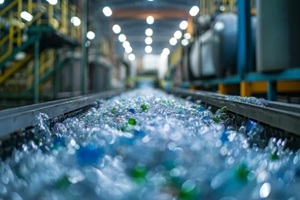
The shift toward recyclable plastics is a proactive step toward lasting environmental stewardship and establishing authentic market leadership. To stay informed on the latest breakthroughs in sustainable plastics innovations, consider joining PLASTICS, the Plastics Industry Association.
Membership provides valuable insights into cutting-edge plastics recycling programs, market trends, and advocacy support. Join an influential community committed to responsible packaging solutions and drive meaningful, sustainable change throughout the plastics industry.
PLASTICS and the Future Leaders in Plastics (FLiP) Committee are devoted to supporting and encouraging the next generation of plastics leaders who will play a crucial role in the innovation, technology and future of the plastics industry. FLiP’s mission is to provide young professionals under the age of 40 the exposure, education and resources they need to build lifelong careers in plastics. Want to join? Want to get your employees involved? Email: flip@plasticsindustry.org
