
March 2, 2026
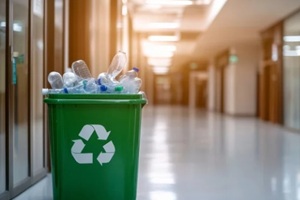
Plastics play a central role in modern society, yet the environmental impact at the end of their life remains a pressing challenge to overcome. Recycling and reuse strategies are advancing, but new scientific approaches are opening additional pathways to reduce waste and create value.
Among the most promising is the use of biochar-based catalytic technologies, a method that supports circular-economy objectives while maintaining the functionality and benefits that plastics provide.
Biochar is a stable, carbon-heavy substance resulting from organic material undergoing thermal decomposition in limited oxygen conditions. When engineered with specific properties, it can act as a catalyst in plastic waste treatment.
Researchers are developing methods to combine biochar with metals or other functional groups, enabling it to break down complex plastic polymers into usable compounds and fuels. The approach represents a shift from mechanical recycling to advanced transformation, enabling plastics to be broken down into their fundamental building blocks.
Studies in this area typically involve controlled pyrolysis or gasification processes where plastics and biochar interact at high temperatures. Variables such as reaction time, temperature range, and feedstock composition are adjusted to optimize yields.
Metrics of interest often include the efficiency of polymer breakdown, the quality of recovered hydrocarbons, and the reusability of the catalyst.
Initial results indicate that biochar catalysts can improve the selectivity and yield of valuable products compared to untreated pyrolysis. Researchers report reduced energy demands during processing and the ability to handle mixed or contaminated plastic streams that pose challenges for traditional recycling methods.
These findings suggest the technology may offer a scalable alternative to landfilling or incineration.
The economic case for catalytic upcycling is gaining attention. Companies in the plastics value chain must manage increasing costs associated with waste management, regulatory compliance, and consumer demand for sustainable practices.
Catalytic technologies offer potential cost savings through energy recovery and the generation of feedstocks that can be sold or reused.
Market trends indicate that investments in advanced recycling solutions are rising. Investors and industry leaders recognize that technologies capable of producing consistent, high-quality outputs are more likely to integrate into existing supply chains.
Biochar-based systems could be used in areas with much leftover material from farming or forestry, as these materials can sustainably create biochar.
Plastics producers, processors, and recyclers are evaluating how catalytic systems might fit within existing operations.
Pilot-scale facilities are already experimenting with hybrid models that combine mechanical recycling for clean, single-stream plastics with catalytic conversion for more complex or contaminated fractions.

For manufacturers, catalytic technologies represent an opportunity to reduce dependency on virgin fossil resources by supplementing production with recovered monomers or fuels.
Material sourcing strategies can shift toward circular inputs, strengthening sustainability claims while reducing exposure to volatile raw material markets.
Another consideration is product consistency. Early indications suggest that outputs from catalytic systems can meet standards required for downstream use, particularly in packaging and consumer goods.
Assurance of food safety and quality control will be essential for widespread adoption, making collaboration with regulators and standard-setting bodies necessary.
The environmental implications of biochar-based plastic recycling are significant. Converting plastic waste into usable fuels or feedstocks and lowers greenhouse gas emissions compared with incineration.
Biochar has carbon-sequestering properties, offering a secondary benefit when residual material is applied in soil or construction products. Combined, these factors position the technology as a contributor to long-term sustainability goals, particularly those focused on reducing plastic leakage into the environment.
For biochar catalysis to move beyond small-scale use and into widespread adoption, significant infrastructure investments will be necessary.
Facilities must be designed to handle various plastic inputs and maintain stable operating conditions. Processing requirements include reliable heat sources, emissions control systems, and pathways for collecting and distributing recovered outputs.
Building effective partnerships throughout the entire supply network is necessary to accelerate adoption.
Processors, equipment suppliers, and recyclers must coordinate to identify feedstock streams best suited for catalytic conversion. Industry associations can act as conveners, helping unite partners and launch demonstration projects that traverse the economic and ecological potential of biochar.
The regulatory environment is increasingly shaping how plastic waste is managed. Standards that recognize advanced recycling, including catalytic processes, are shifting at the federal and state levels. Policymakers are beginning to distinguish between traditional incineration and advanced recycling, which could create favorable conditions for investment.
Looking ahead, new legislation could introduce financial or regulatory incentives to support technologies that cut greenhouse gas emissions and encourage circular practices.
Industry representation will remain essential to make sure that regulations reflect scientific realities, support innovation, and maintain compliance pathways that companies can realistically meet.
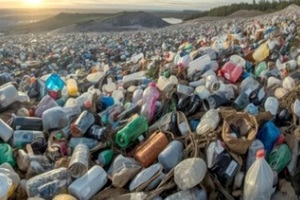
Sustainable plastic waste management is no longer a distant aspiration; technologies such as biochar-based catalysis make it a tangible reality. The plastics value chain has opportunities to invest in solutions combining economic viability with true environmental stewardship.
To stay connected with emerging advancements and access programs that support recycling innovation, consider joining PLASTICS, the Plastics Industry Association. Membership offers valuable insights into market trends, access to sustainability initiatives, and a collective platform to drive meaningful change within the industry.
PLASTICS and the Future Leaders in Plastics (FLiP) Committee are devoted to supporting and encouraging the next generation of plastics leaders who will play a crucial role in the innovation, technology and future of the plastics industry. FLiP’s mission is to provide young professionals under the age of 40 the exposure, education and resources they need to build lifelong careers in plastics. Want to join? Want to get your employees involved? Email: flip@plasticsindustry.org
