March 16, 2026

Speed, precision, and collaboration increasingly shape how medical packaging moves from concept to production. As regulatory expectations tighten and product timelines compress, packaging development teams investigate how to shorten iteration cycles without sacrificing quality.
Purpose-built thermoforming product development labs reflect how targeted investment in technology and talent can reshape packaging design workflows while supporting innovation across regulated markets.
| In This Article: Learn how thermoforming streamlines medical packaging design by combining digital modeling, prototyping, and early validation, enabling teams to iterate faster, collaborate more effectively, and test concepts earlier. Gain insight as to how expanded facilities and industry partnerships support scalable, compliant, and innovative packaging solutions across global markets. |
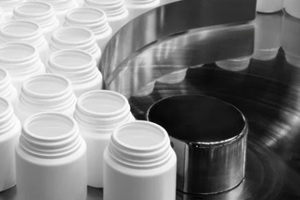
A thermoforming product development lab can be designed to bring design, prototyping, and early validation into a single, integrated environment. Often located within or adjacent to established manufacturing operations, these labs support medical, dental, pharmaceutical, and electronics packaging programs that demand tight tolerances and consistent performance.
Advanced equipment anchors the space, including high-resolution 3D scanning, semi-automatic thermoforming capability, and in-house prototype tooling.
Together, these tools allow packaging concepts to move from digital models to physical samples without extended delays. Designers and customers can review form, fit, and function early in the process, leading to faster feedback and fewer late-stage revisions.
Proximity to an ISO Class 7 cleanroom adds another advantage. Packaging intended for sterile or controlled environments benefits from early testing that reflects real production conditions, rather than relying on assumptions made during off-site prototyping.
Medical packaging efforts typically involve several cycles of adjustment, with teams revising concepts until performance, safety, and manufacturability all align. Minor adjustments to geometry, material thickness, or sealing features can have downstream effects on performance and manufacturability.
Housing these capabilities all together under one roof allows teams to iterate in days rather than weeks. Several capabilities define how a thermoforming development lab can accelerate development:
Each element supports a tighter feedback loop between designers, engineers, and customers. Instead of waiting for production tooling to validate assumptions, early samples give concrete information about how designs perform under realistic conditions.
Packaging projects tend to succeed when the creative vision is aligned with the production line’s practical limits and capabilities, allowing concepts to translate smoothly into real products.
Engineers with profound experience in thermoform design and tooling play a central role in translating customer requirements into viable packaging solutions. Expanded engineering resources bring decades of cumulative expertise into the process, helping projects progress efficiently while avoiding common pitfalls.
Collaboration extends beyond internal teams. Customers can engage directly with designers during development, review samples, discuss trade-offs, and refine concepts in real time.
When everyone involved shares the same goals and context, development tends to move more smoothly and often produces stronger final results that transition into production with fewer obstacles.
Early-stage testing provides confidence before programs scale. Sample creation in the lab allows teams to evaluate sealing performance, material behavior, and overall package integrity well before a full tooling investment.
Earlier insight supports better decision-making and reduces the risk of last-minute changes that disrupt schedules.
Medical device manufacturers continue to balance innovation development with regulatory scrutiny. Packaging is essential in healthcare because it shields the product, preserves sterility, and supports ease of use for clinicians working in hectic environments.
Faster development cycles help manufacturers respond to market demand without compromising these expectations. Packaging suppliers that invest in development infrastructure strengthen their role as strategic partners rather than transactional vendors.
Some organizations pair a centralized development lab with complementary manufacturing capacity in other regions to expand support and improve responsiveness.
Additional facilities equipped with cleanroom space and expanded production capabilities can serve customers across multiple markets. Growth across sites often reflects rising demand for thermoformed medical packaging, highlighting how development and manufacturing investments tend to move in tandem.
International operations can bring additional perspectives to packaging programs serving global markets. Alignment across facilities helps maintain consistency while supporting scalability as demand grows.
Advances in packaging development rarely occur in isolation. They reflect broader industry trends toward digital design, faster prototyping, and closer collaboration across the supply chain. Equipment suppliers, material producers, processors, and recyclers all contribute to how packaging systems perform and adapt over time.
Professional associations help strengthen the sector through information sharing, technical support, and efforts that elevate overall product quality. Collective research initiatives, work on unified standards, and coordinated advocacy provide a foundation that connects innovation with regulatory demands and long-term sustainability objectives.
Investment in new technology benefits individual companies, while coordinated industry action helps those advances translate into broader market improvement.
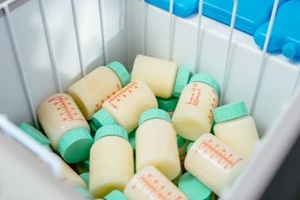
Designing thermoforming labs for speed and collaboration signals a shift in the approach to packaging development in regulated industries. Bringing expertise, technology, and customers together earlier in the process supports better outcomes and helps respond to growing pressure for efficiency and accountability.
As medical packaging continues to advance, staying informed about new tools, processes, and policy considerations remains essential. To stay connected to developments shaping the future of plastics and packaging, consider joining PLASTICS, the Plastics Industry Association.
Membership offers access to industry insights, sustainability initiatives, advocacy resources, and a community working collectively to support innovation and long-term success across the plastics supply chain.
PLASTICS and the Future Leaders in Plastics (FLiP) Committee are devoted to supporting and encouraging the next generation of plastics leaders who will play a crucial role in the innovation, technology and future of the plastics industry. FLiP’s mission is to provide young professionals under the age of 40 the exposure, education and resources they need to build lifelong careers in plastics. Want to join? Want to get your employees involved? Email: flip@plasticsindustry.org
