
June 13, 2026

Plastic production is central to modern manufacturing, supporting everything from food safety to medical innovation, yet sustainability expectations for materials and processes continue to rise. The emergence of smart manufacturing offers a practical path forward by integrating digital tools with established production methods to reduce waste, improve efficiency, and enhance circularity.
A combination of automation, data analytics, and recycling technologies is revolutionizing the production, recovery, and reuse of plastics throughout the modern supply chain.
| In This Article: You will learn how smart manufacturing technologies are reshaping plastic production through improved efficiency, data-driven decision-making, and advanced recycling systems. |
Manufacturing’s digital transformation has progressed beyond incremental efficiency gains to broader impacts on performance and competitiveness.
Sensors, automation, and real-time data systems now influence material use, energy consumption, and product quality throughout plastic production. Industry 4.0 practices enable manufacturers to fine-tune processes with greater precision, resulting in measurable reductions in scrap, rework, and downtime.
Production lines equipped with connected systems continuously monitor temperature, pressure, and material flow. Data collected through these systems supports faster adjustments and greater consistency, thereby reducing excess resin use and limiting off-specification output.
Predictive maintenance further supports sustainability goals by extending equipment life and lowering the frequency of emergency repairs, both of which contribute to lower resource consumption across facilities.
Recycling methods have expanded well beyond traditional mechanical approaches, creating new opportunities to keep plastics in use longer and at higher value.
Chemical recycling breaks plastics down to the molecular level, creating feedstocks that perform like virgin materials.
This approach supports applications that require high purity, including food and beverage packaging. Enzymatic recycling, an emerging method, uses biological processes to accelerate plastic degradation with lower energy inputs. Growing investment and regulatory interest have helped move these technologies from pilot stages toward broader adoption.
Closed-loop systems now convert post-consumer plastics into high-quality raw materials that reenter manufacturing streams. Food-safe recycled PET is a widely recognized application that demonstrates how advanced recycling supports circular models without compromising safety or performance.
Recycling outcomes depend heavily on effective sorting. Artificial intelligence-driven systems improve accuracy by rapidly identifying polymers, colors, and contaminants.
Improved sorting increases yield rates and reduces processing costs, thereby making recycling operations more viable at scale. Precision at this stage directly supports manufacturers in achieving consistent recycled-content levels in production.
Interest in plant-based packaging materials continues to grow as manufacturers seek ways to reduce their dependence on fossil-based inputs.
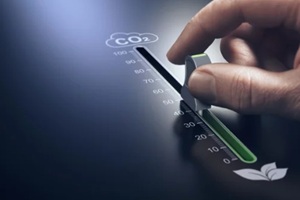
Feedstocks such as sugarcane, cornstarch, and algae can be used to produce renewable materials with a smaller carbon footprint. Performance improvements have closed earlier gaps in durability and barrier properties, allowing bioplastics to compete in a wider range of applications.
Smart manufacturing plays a supporting role by improving production parameters for these newer materials.
Process controls designed for bio-based resins help minimize waste during shaping, and using data to make adjustments helps address the inherent variability of natural materials. Regulatory mandates and brand sustainability commitments have accelerated adoption, and scaling production volumes has helped drive down costs over time.
Common applications include food and beverage packaging, e-commerce mailers, and consumer goods packaging, where compostability or renewable sourcing aligns with sustainability goals.
Antimicrobial plastics support hygiene-focused industries while contributing to sustainability through durability and waste reduction.
Formulations that inhibit bacterial growth help products last longer and reduce replacement frequency over time. Surfaces in healthcare environments, food packaging, and public spaces benefit from materials that resist microbial buildup without requiring frequent chemical cleaning.
Manufacturers continue refining these materials to improve recyclability and reduce reliance on toxic additives. Advances in nontoxic and biodegradable antimicrobial solutions broaden potential uses while supporting responsible material management.
Longer-lasting products translate into lower material demand over time, aligning performance improvements with environmental objectives.
Smart manufacturing delivers sustainability gains alongside operational advantages that matter to business leaders.
With AI-driven analytics, supply chains can better predict demand, avoid over-ordering, and lower inventory waste. Energy management systems identify inefficiencies and adjust consumption in real time, lowering overall power use across facilities.
There are several areas where smart manufacturing supports sustainability, including:
Each improvement compounds across high-volume operations, resulting in lower emissions and more responsible resource use without disrupting output goals.
Sustainability initiatives increasingly intersect with regulatory expectations at the federal, state, and local levels.
Manufacturers benefit from systems that provide traceability and reporting capabilities aligned with emerging standards. Data collected through smart manufacturing platforms supports compliance efforts while offering transparency in material sourcing, recycled content, and waste management practices.
Market demand continues to favor products backed by credible sustainability claims. Businesses that integrate advanced recycling, smart production systems, and responsible material choices position themselves to respond effectively to customer expectations and policy developments.
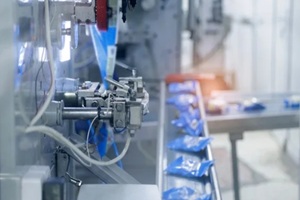
Smart manufacturing offers a path for plastics production in which modern innovation supports sustainability rather than conflicts with it.
When digital technologies, advanced recycling, and material innovation are used together, they enable circular economy progress without compromising reliability or end-use performance. Progress depends on collaboration across the full supply chain, from equipment suppliers and material producers to processors and recyclers.
To stay informed on developments shaping sustainable plastic manufacturing, consider joining the Plastics Industry Association. Membership offers access to industry research, sustainability initiatives, advocacy resources, and opportunities to engage with leaders working toward practical, scalable solutions that support the future of plastics.
PLASTICS and the Future Leaders in Plastics (FLiP) Committee are devoted to supporting and encouraging the next generation of plastics leaders who will play a crucial role in the innovation, technology and future of the plastics industry. FLiP’s mission is to provide young professionals under the age of 40 the exposure, education and resources they need to build lifelong careers in plastics. Want to join? Want to get your employees involved? Email: flip@plasticsindustry.org
