
February 23, 2026
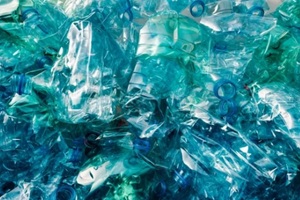
Plastic pollution is among the most pressing environmental challenges of our time. With millions of tons entering the environment each year, solutions must move beyond traditional recycling and adopt new technologies capable of addressing the complexities associated with today’s waste streams.
Recent innovations in chemical plastic recycling demonstrate that sustainable, cost-competitive alternatives to virgin plastics are feasible, providing industry leaders with new tools to drive change.
Traditional mechanical plastic recycling has limitations. It struggles with dirty, mixed, and multilayer materials, resulting in downcycled products and large volumes of unrecyclable waste.
Chemical recycling addresses these issues by converting plastics back into their molecular components, allowing for the creation of materials that match the quality of virgin resin.
With this innovation, plastics that once had no second life can now be repurposed, reducing waste and supporting circular economic models.
Unlike mechanical methods, chemical recycling uses safe, commonly available chemicals to depolymerize plastics such as PET and polyester. The resulting materials can be reused without the quality loss associated with traditional recycling.
Alongside a substantial emissions drop of around 65%, the technology supplies manufacturers with superior feedstocks, making it both sustainable and practical.
Chemical recycling can lower the carbon footprint of packaging, textiles, and industrial plastics. It extends the life cycle of materials that would otherwise pollute ecosystems and cuts dependency on fossil fuels. It supports economic growth by creating a market for hard-to-recycle waste streams.
The plastics industry is under increasing pressure to address sustainability while maintaining competitiveness, and thankfully, new recycling technologies offer a path to achieving both.
Perhaps most importantly, achieving price parity with virgin resin combines economic feasibility with notable environmental benefits. When recycled materials compete on price and performance, manufacturers are more likely to adopt them across sectors.
Scaling chemical recycling requires substantial investment in infrastructure and processing facilities. Companies leading this charge build pre-commercial plants to demonstrate feasibility and attract further investment.
As environmental regulations become stricter and consumer expectations shift toward sustainability, the business case for chemical recycling continues to strengthen.
Consumers increasingly favor brands that reduce environmental impact. While recycling habits vary globally, there is a clear trend toward higher expectations for corporate responsibility.
Businesses adopting advanced recycling methods can strengthen consumer trust and meet regulatory requirements simultaneously.
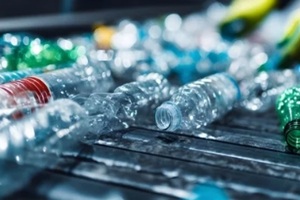
Chemical recycling is applicable across the entire supply chain from packaging to textiles. Manufacturers benefit from materials that match the quality of virgin resin, while processors gain new options for handling complex waste streams.
The ability to recycle multilayer packaging, contaminated plastics, and post-industrial scraps enhances operational efficiency. Companies using these materials can reduce reliance on fossil fuel-based inputs and lower emissions without sacrificing performance.
Recycled outputs from chemical processes meet the same safety standards as virgin materials, which is particularly important for food packaging and medical applications.
Because it’s dependable, this solution promotes broader use and aligns well with the industry’s push toward sustainability.
Environmental metrics indicate that advanced recycling methods can significantly cut carbon emissions and divert substantial quantities of plastic from landfills and oceans. They also create new markets for recycled content, an essential driver for the circular economy.
By integrating these approaches, businesses can generate profits without compromising their environmental values.
To realize chemical recycling’s many advantages, significant upgrades to the networks that handle material collection, sorting, and processing are needed.
Current systems often struggle with complex feedstocks, and building facilities capable of handling differing waste streams is a top priority. Success will depend on collaborative initiatives that unite government, industry leaders, and investment communities.
Policies in regions such as the European Union demonstrate how regulation can accelerate change.
Initiatives such as the Green Deal and the Packaging and Packaging Waste Regulation encourage companies to incorporate more recycled content. Similar regulatory frameworks are emerging in other markets, including North America and Asia, creating global momentum toward circular solutions.
The plastics industry is well-positioned to lead the shift toward a sustainable future by adopting technologies that enhance recycling rates and improve material quality simultaneously.
Companies should evaluate new recycling solutions, support infrastructure development, and participate in shaping policy frameworks that promote innovation while maintaining economic viability.
With change accelerating, businesses that move quickly to adapt will secure several long-term advantages.
By adopting advanced recycling technologies and supporting sustainability initiatives, companies can lower their environmental footprint, comply with regulations, and gain a competitive advantage.

The choices made today will determine how plastics change over time and impact the world in the years to come.
Consider joining the Plastics Industry Association to stay ahead of regulatory changes, access groundbreaking recycling technologies, and connect with professionals across the supply chain.
Membership provides access to essential resources on market trends, sustainability initiatives, and advocacy efforts that help businesses flourish in a constantly changing industry.
PLASTICS and the Future Leaders in Plastics (FLiP) Committee are devoted to supporting and encouraging the next generation of plastics leaders who will play a crucial role in the innovation, technology and future of the plastics industry. FLiP’s mission is to provide young professionals under the age of 40 the exposure, education and resources they need to build lifelong careers in plastics. Want to join? Want to get your employees involved? Email: flip@plasticsindustry.org
