
September 29, 2025
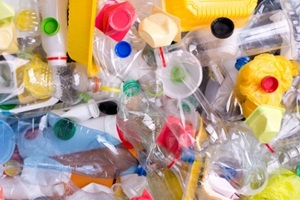
Across the plastics industry, the push toward circular solutions is advancing rapidly as innovative processes make it possible to create high-performing materials from what was once considered unrecoverable waste.
A new generation of waste-to-plastic technology demonstrates how manufacturers can meet sustainability goals, reduce supply chain vulnerabilities, and maintain product performance standards without overhauling existing production systems.
An emerging solution in this space is transforming mixed household waste into a versatile, cost-effective material suitable for a broad range of applications. Using a patented process, organic matter, food scraps, and hard-to-recycle plastics can be converted into a uniform thermoplastic substitute that integrates with traditional resins.
The outcome is a material with a negative carbon footprint that diverts significant volumes of waste from landfills and incinerators while delivering the mechanical strength required for everyday consumer and industrial goods.
For manufacturers, incorporating such materials into existing molding or extrusion processes without expensive equipment upgrades is an immediate advantage.
Waste-derived plastics help reduce dependence on virgin resin and stabilize input costs in unpredictable commodity markets, creating a strategic option that supports both financial and environmental goals.
Modern waste-conversion plastics are formulated for multi-polymer compatibility and can be tuned for different production techniques, from injection molding to extrusion. Because of this versatility, the materials can serve applications in packaging, consumer products, the automotive industry, and the construction field.
Early adopters are already producing goods ranging from plant containers to infrastructure components, demonstrating the broader scalability of the process across sectors.
Manufacturers also benefit from consistent dispersion and ease of handling. The uniform composition of the masterbatch allows predictable performance, which is essential for maintaining quality assurance standards in high-volume production environments.
As landfill capacity in the United States is approaching projected shortages within the next decade, waste-to-plastic solutions have the potential to ease pressure on waste management systems while creating new streams of manufacturing feedstock.
Incorporating waste-derived materials can provide insulation against price fluctuations in oil-based resin markets, helping manufacturers plan more effectively, particularly during global supply chain disruption or trade restrictions. The circular model also positions companies to meet growing consumer and regulatory demand for sustainable sourcing.

Awareness of environmental impact influences purchasing behavior, with many buyers favoring brands that demonstrate measurable action on sustainability.
Incorporating waste-based plastics allows companies to highlight waste diversion and carbon reduction achievements in product labeling and marketing, which can strengthen brand loyalty and appeal in competitive markets.
Waste-to-plastic technology aligns with ongoing industry efforts to advance a circular economy, keeping valuable material in use and out of the environment. The environmental gains are measurable, diverting up to 95% of mixed household waste from disposal streams and reducing greenhouse gas emissions associated with virgin material production.
Partnerships between material innovators and established brands are actively accelerating adoption. Integrating these materials into product designs allows companies to achieve sustainability goals while meeting new regulations that call for greater recycled content.
Bringing waste-derived plastics into mainstream production requires investment in infrastructure to process and distribute the material efficiently.
While the material is compatible with existing manufacturing equipment, scaling its use depends on expanding processing capacity and supply chain logistics.
Facilities capable of converting household waste into manufacturing-grade feedstock will need to be developed closer to major production hubs to reduce transportation emissions and costs.
The transition to circular feedstock benefits from collaboration among recyclers, material scientists, manufacturers, and policymakers.
Shared technical standards and performance benchmarks will help integrate waste-to-plastic products into established industry codes while maintaining product safety and reliability.
Waste-to-plastic innovation fits within broader legislative efforts to reduce environmental impact from packaging and manufactured goods. Policies that support recycling infrastructure development, incentivize the use of circular materials, and recognize alternative recycling processes can accelerate adoption.
Companies that engage with policymakers through industry associations have an opportunity to shape fair, effective regulations that both advance sustainability and protect manufacturing competitiveness.
Waste-derived plastics are more than a sustainability talking point; they represent a viable, scalable feedstock alternative with immediate applications.
Manufacturers integrating these materials can diversify supply chains, control costs, and simultaneously address consumer and regulatory expectations. Investing in this innovation now positions companies to lead in a market where resource efficiency and environmental responsibility are defining factors for success.
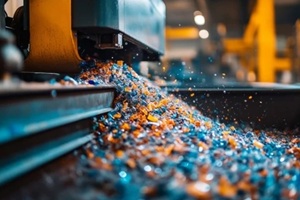
The plastics industry is perfectly positioned to accelerate circular solutions that reduce waste, cut emissions, and strengthen manufacturing resilience. Waste-to-plastic innovation offers a pathway without compromising quality or production efficiency.
To remain ahead of technological developments in sustainable plastics and recycling systems, industry leaders can connect with the Plastics Industry Association. Membership provides access to advocacy resources, market research, sustainability programs, and opportunities to collaborate on solutions that benefit the supply chain.
Collaboration across the industry can turn the problem of waste into an opportunity for manufacturing innovation while moving toward a more sustainable future for all.
PLASTICS and the Future Leaders in Plastics (FLiP) Committee are devoted to supporting and encouraging the next generation of plastics leaders who will play a crucial role in the innovation, technology and future of the plastics industry. FLiP’s mission is to provide young professionals under the age of 40 the exposure, education and resources they need to build lifelong careers in plastics. Want to join? Want to get your employees involved? Email: flip@plasticsindustry.org
