
October 13, 2025

Ultra-high molecular weight polyethylene (UHMWPE) has long been known for its superior strength, abrasion resistance, and chemical durability as a polymer. Yet, despite these properties, its limited processability has made it difficult for manufacturers to integrate it into large-scale production. Thankfully, that challenge may finally be easing.
Researchers at the University of Oxford have developed several approaches that substantially improve the processing of UHMWPE, potentially transforming the plastic material from a specialty product into a scalable option for various high-performance applications.
The research team introduced methods that directly improve processing efficiency while maintaining the impressive mechanical performance of UHMWPE.
Traditional forms of this polymer resist conventional shaping due to their extremely long molecular chains, which tangle and flow very slowly when heated. The Oxford team reported a reduction in melt viscosity under specific conditions, significantly improving its processability.
Despite this dramatic change in flow behavior, the material retained its powerful core performance characteristics. A 103% improvement in tensile strength was observed in selected polymer blends, suggesting that these modifications did not come at the cost of durability.
Striking this balance between improved handling and preserved strength addresses one of the most persistent limitations currently challenging UHMWPE.
The team investigated several molecular engineering methods to achieve these results. A core part of their success stemmed from refining the function of catalysts during polymer synthesis.
Using heterogenized metallocene catalysts, they were able to influence molecular architecture during formation, resulting in controlled entanglement that made the polymer even more workable. Various chemical techniques, such as the introduction of chain transfer agents, proved particularly effective.
For example, the use of hydrogen allowed researchers to precisely trim polymer chain lengths, which contributed to a substantial decrease in melt viscosity. Additionally, the use of multiple catalysts produced polymers with a variety of chain lengths, offering improved control over material behavior without compromising overall integrity.
Blending UHMWPE with other polymers, such as high-density polyethylene (HDPE), led to composite materials that demonstrated strong compatibility and enhanced performance. In contrast, blends with low-density polyethylene (LDPE) didn’t yield the same results due to poor miscibility, emphasizing the importance of selecting appropriate partner materials.
The improvements to UHMWPE processing are highly relevant for sectors that require plastic materials with exceptional strength and reliability. With this innovation, medical device manufacturers can benefit from implants and prosthetics that are both biocompatible and easier to shape.
These materials support long-term durability while opening up new design possibilities that were previously impractical due to processing constraints.
In various industrial settings, particularly those involving high-stress machinery or wear-intensive environments, UHMWPE’s enhanced processability allows for broader use in components such as gears, seals, and liners.
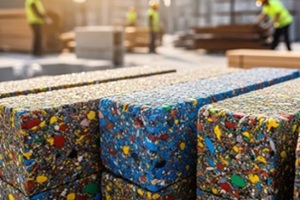
Producers of heavy-duty equipment may find value in these advancements, particularly when material performance must remain consistent under mechanical and thermal stress.
The results from the Oxford study show clear performance metrics that support growing commercial interest. Researchers achieved a 96% increase in processing efficiency, making traditional challenges far less limiting by introducing chemical processing techniques such as chain transfer and catalyst blending.
Tensile strength gains exceeding 100% in certain composite configurations confirm that these approaches don’t compromise performance, even as the material becomes easier to manufacture.
Bringing these developments into the production environment requires thoughtful adjustments rather than wholesale replacements of existing systems. Most approaches are compatible with standard equipment, although some configurations may benefit from modified extruders or blending systems.
The ability to fine-tune catalyst choice or add chemical agents during synthesis means companies can adopt changes incrementally, aligning with existing production schedules and product development timelines.
Adopting UHMWPE modifications at scale depends in part on the compatibility of processing equipment with the new formulations. Facilities may require updated feeding or compounding systems to handle more complex catalyst interactions.
However, most core processing units remain viable. The adaptation centers on process control and chemical input rather than mechanical redesign, which lowers the barrier to entry.
Preliminary assessments suggest that production scaling is feasible, although pilot testing will be necessary to validate actual consistency at industrial volumes. Because some methods, such as catalyst blending, are already familiar to polymer manufacturers, scaling efforts can focus on improving throughput and reducing cycle times.
Utilizing a clear resource optimization framework can support broader adoption, especially for manufacturers seeking to balance material costs with long-term performance gains.
Investing in UHMWPE innovations will likely require modest upgrades to infrastructure, primarily in process monitoring and material handling. The return on investment lies in the ability to produce higher-performance products with fewer processing failures and more efficient use of raw materials.
Companies positioned to capitalize on the long-term demand for durable, high-performance plastics will find the payoff particularly compelling in standout sectors such as healthcare, defense, automotive, and infrastructure.

Companies focused on innovation in materials science can significantly benefit from early insight into the many breakthroughs that are actively shaping future product design and manufacturing capabilities.
For those seeking to stay current on high-performance materials and sustainable processing methods, joining PLASTICS, the Plastics Industry Association, offers direct access to professional insights, recycling advocacy programs, and ongoing developments in plastic materials research.
Your membership supports informed decision-making and opens channels for participating in the direction of industry-wide initiatives that matter.
PLASTICS and the Future Leaders in Plastics (FLiP) Committee are devoted to supporting and encouraging the next generation of plastics leaders who will play a crucial role in the innovation, technology and future of the plastics industry. FLiP’s mission is to provide young professionals under the age of 40 the exposure, education and resources they need to build lifelong careers in plastics. Want to join? Want to get your employees involved? Email: flip@plasticsindustry.org
