
July 28, 2026
| In This Article: Learn more about how zero-waste plastic solutions are transforming recycled scrap into high-tech filters, the technologies driving this shift, and what it means for sustainability, industry innovation, and the circular economy in plastics. |
The rise of plastic waste is now widely recognized as one of the major material burdens of the present day. At the same time, the plastics industry is advancing zero-waste plastic solutions that transform scrap into engineered products with measurable performance.
One of the most promising developments is the rise of high-tech filters made from recycled polymers, demonstrating that discarded materials can reenter the value chain for sophisticated applications.
To address plastic pollution effectively, sustainable systems must be structured to extend material lifespans and slow the rate at which products become waste. Zero-waste plastic solutions align directly with this need by shifting the focus from disposal to design, recovery, and reintegration.
Zero-waste is a production and resource management philosophy built on eliminating waste at its source. It prioritizes reusing and recycling plastic scrap, as well as designing materials with extended life cycles within a circular economy for plastics.
In practice, zero-waste systems aim to:
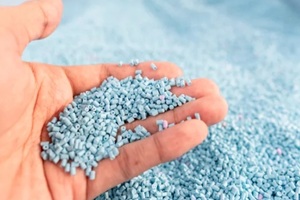
Within the plastics industry, this approach transforms what was once treated as waste into feedstock. Mechanical and advanced recycling technologies allow polymer scrap to be reprocessed into pellets, fibers, and engineered components.
Researchers have demonstrated that even complex plastic waste streams can be converted into high-value materials, including carbon-based nanostructures used in advanced filtration systems.
The ongoing shift reframes recycling plastic scrap as a manufacturing opportunity rather than a compliance obligation.
Every successful recycling pathway starts with the efficient collection and accurate sorting of materials.
Municipal systems, deposit return programs, and industrial recovery streams feed material into material recovery facilities equipped with optical sorters, density separation tanks, and increasingly AI-driven classification systems.
Recent industry predictions suggest that artificial intelligence will make sorting more accurate and faster by enabling sensors to quickly identify different types of plastics, reducing contamination, and enhancing output quality.
Cleaner streams translate into higher-performance recycled resin, which is essential for filtration applications that demand structural integrity and consistency.
Two primary approaches to recycling enable the production of high-tech filters from plastic waste: mechanical recycling (traditional recycling) and advanced recycling (chemical recycling).
Nonwoven filtration media is still frequently produced through mechanical recycling because the process remains widely established across the sector. Reprocessed polypropylene, for example, can be spun into microfibers for air purification systems.
Advanced recycling is actively transforming the field. Research published in peer-reviewed polymer science journals shows that plastic waste can be converted into carbon nanotubes and graphene-like materials through controlled thermal and catalytic processes.
These carbon structures exhibit high surface area and conductivity, properties that are advantageous in advanced filtration and adsorption systems. The result is a growing pipeline of high-tech filters from plastic waste that meet performance specifications traditionally associated with virgin materials.
Sustainable filtration technologies are gaining broader adoption across industries as organizations seek cleaner, more resource-efficient solutions.
Recycled polymer membranes are finding practical use in both municipal water systems and industrial treatment applications. Carbonized plastic derivatives can serve as adsorbents for removing contaminants.
Nonwoven recycled polypropylene fibers are commonly used in HVAC and industrial air filtration. Researchers are also investigating recycled-carbon materials for capturing fine particulates and volatile compounds.
One emerging application targets microplastic emissions from washing machines. Studies on microfiber filtration show that engineered filter inserts can significantly reduce fiber release into wastewater streams, contributing to broader plastic pollution solutions.
Chemical plants, manufacturing facilities, and energy operations use polymer-based filters to manage particulate and fluid contaminants. Recycled content is increasingly being specified where performance standards are met.
Turning plastic scrap into engineered filtration products delivers measurable gains for both environmental performance and business operations.
Aligning recycling systems with advanced manufacturing reduces waste, enhances material efficiency, and creates significant economic opportunities across the entire value chain.
Transforming scrap into filtration products directly diverts material from landfills and surrounding ecosystems. Each ton of recycled polymer used in manufacturing displaces the need to extract new raw materials and reduces overall environmental impact.
Zero-waste plastic solutions strengthen the circular economy in plastics by closing material loops. They create demand for recovered resin, reinforcing collection infrastructure and improving system efficiency.
Recycled resin can offer pricing stability compared to virgin material markets that can fluctuate with changing energy costs. Manufacturers that integrate recycled content often report operational savings associated with both material sourcing and waste-reduction strategies.
There’s also a market advantage to keep in mind. Buyers in municipal procurement and industrial supply chains increasingly request recycled content, and aligning operations with these expectations supports stronger long-term competitiveness.
Recycling systems still contend with contamination, mixed polymer streams, and infrastructure gaps. Complex multi-layer packaging and additives can further complicate material recovery.
As technology continues to advance rapidly, AI-enabled sorting systems are becoming increasingly effective at improving polymer purity across recycling and recovery operations.
Advanced depolymerization techniques expand the range of plastics that can be reclaimed, while industry initiatives focused on pellet containment and end-market development serve to strengthen the supply chain.
Practical experience across recycling facilities shows that when sorting quality improves upstream, downstream manufacturing becomes significantly more predictable.
Emerging trends suggest strong growth for the use of recycled plastics in various technical applications. High-performance membranes, conductive filtration media, and smart filters integrated with sensors are all under active development.
Market analysts anticipate continued expansion in sustainable filtration technologies as regulations on water quality and air emissions tighten. The growing consumer demand for environmentally responsible products is influencing procurement standards across industries.
Plastic pollution requires systemic responses, and zero-waste plastic solutions offer a practical path forward. Recycling plastic scrap into high-tech filters demonstrates how sustainable filtration technologies can reduce environmental impact while delivering industrial performance.
Industries, researchers, and policymakers each play an important role. Businesses can invest in integrating recycled content; communities can support effective collection systems; and industry leaders can collaborate through organizations such as PLASTICS, the Plastic Industry Association, to strengthen advocacy, sustainability initiatives, and market development.
When scrap becomes a resource, the circular economy in plastics moves from concept to measurable progress.
PLASTICS and the Future Leaders in Plastics (FLiP) Committee are devoted to supporting and encouraging the next generation of plastics leaders who will play a crucial role in the innovation, technology and future of the plastics industry. FLiP’s mission is to provide young professionals under the age of 40 the exposure, education and resources they need to build lifelong careers in plastics. Want to join? Want to get your employees involved? Email: flip@plasticsindustry.org
