
September 22, 2025
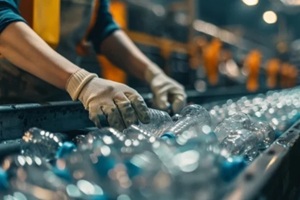
A new development in plastic recycling offers a cleaner, more efficient way to recover high-value materials from polyethylene terephthalate (PET) waste.
Researchers at Northwestern University have introduced a method that utilizes ambient air moisture to recycle plastic. This process bypasses traditional energy-intensive and chemical-intensive techniques.
The innovation has the potential to transform how PET plastics are processed across the industry, delivering significant improvements in both environmental performance and cost efficiency.
At the heart of the method is a catalyst-driven process that achieves a 94% recovery rate of terephthalic acid (TPA), a primary building block of PET. The reaction occurs at a relatively modest temperature range of 250 to 265°C, just above the melting point of PET.
What sets this approach apart is the simplicity and efficiency of the input requirements. Instead of relying on toxic solvents or large volumes of water, the method draws only on the trace moisture naturally present in the air.
Using this streamlined technique avoids the contamination risks and energy burdens associated with conventional plastic recycling systems, allowing for more direct recovery of original monomers. The outcome is a purer, more usable end product with strong potential for reuse in high-quality plastic manufacturing.
A low-cost, non-toxic combination of molybdenum and activated carbon catalyzes the process.
Molybdenum, known for its chemical stability and wide industrial availability, supports the selective breakdown of polymer chains in PET. Activated carbon plays a supporting role by facilitating surface reactions and improving catalyst dispersion.
When heated with PET plastics, this catalyst system leverages ambient humidity to initiate and sustain depolymerization. Moisture in the air activates chemical interactions that efficiently dismantle plastic at the molecular level, eliminating the need for aggressive solvents or complex separation steps.
The simplicity of the reaction environment contributes to its scalability and environmental appeal.
The process marks a shift in how the industry can think about operational performance in plastic recycling.
Beyond the impressive yield rates and relatively low reaction temperatures, the approach introduces practical benefits that support both economic and environmental objectives.
The reduced reliance on external energy inputs and chemical reagents results in lower overhead for recycling facilities.
Because moisture from ambient air acts as the active agent, the system requires minimal water management and produces fewer emissions. Facilities adopting this technology could see substantial reductions in utility consumption and material input costs.
Avoiding toxic solvents also simplifies compliance and health and safety protocols. These gains translate into smoother operations and fewer process interruptions while maintaining high throughput and quality standards.
The method shows strong applicability in processing a wide range of post-consumer PET waste. From single-use bottles to polyester textiles, it has demonstrated effectiveness across multiple forms and colors of plastic.

Colored plastics, often excluded from closed-loop recycling due to pigment contamination, can be processed cleanly with this method. The catalyst system removes dyes and other additives during depolymerization, producing a colorless TPA that is ready for reuse.
Broader compatibility with mixed waste streams reduces the need for extensive sorting. It enables higher throughput without compromising product quality, and for processors, that represents a tangible advantage in terms of throughput, quality, and profitability.
Bringing this process into mainstream recycling operations will require a careful look at equipment configurations and processing workflows. The infrastructure changes are manageable but necessary to maximize the benefits of the new system.
At a minimum, facilities will need the ability to precisely control processing temperatures and handle catalyst integration, which may involve retrofitting reactors or upgrading heating systems to maintain the 250 to 265°C range. Airflow and humidity management systems should also be adapted to maintain consistent moisture levels throughout the reaction chamber.
Integration into existing lines is feasible with modular process design. Aspects of the system can be phased in or operated in conjunction with traditional recycling methods during transition periods. Training teams to work with the new materials and operational parameters will also be necessary for success.
The financial upside of this method becomes clearer when comparing material costs and process overhead. The catalyst components are inexpensive and recyclable, which keeps input costs low. Minimal solvent use reduces the need for storage, handling, and disposal infrastructure.
In a scaled environment, these factors combine to reduce operating expenses per ton of recycled PET. The elimination of pre-sorting steps and purification processes contributes to faster turnaround times and improved margins. Early modeling suggests strong potential for return on investment in medium- to large-scale processing operations.
Processing speed and purity of output place this method ahead of many traditional recycling approaches. It offers significant improvements in yield, quality, and operational simplicity.
The ability to recycle colored and mixed PET waste without added purification stages is particularly valuable for companies looking to meet higher plastic recycling targets under tighter regulatory scrutiny.
In terms of sustainability, the method supports broader environmental compliance efforts. It reduces emissions, lowers water and chemical use, and promotes circular economy goals without requiring significant sacrifices in efficiency or profitability.
Each of these factors positions the method as an innovative solution for companies seeking to strengthen their Environmental, Social, and Governance (ESG) performance and industry standing.
As innovation across the plastics industry accelerates, staying informed and connected is essential for long-term success.
Joining PLASTICS, the Plastics Industry Association, provides members with access to cutting-edge developments such as this new plastic recycling method. The association offers industry-wide insights, sustainability program participation, and direct advocacy on regulatory challenges that can directly impact your business.
Membership connects you with tools, trends, and technologies that help drive your organization forward in an increasingly competitive and sustainability-focused environment.
PLASTICS and the Future Leaders in Plastics (FLiP) Committee are devoted to supporting and encouraging the next generation of plastics leaders who will play a crucial role in the innovation, technology and future of the plastics industry. FLiP’s mission is to provide young professionals under the age of 40 the exposure, education and resources they need to build lifelong careers in plastics. Want to join? Want to get your employees involved? Email: flip@plasticsindustry.org
