
May 18, 2026
Essential Takeaways:
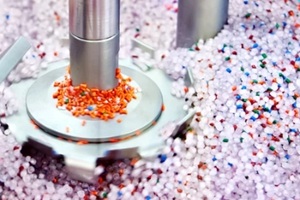
The plastics industry is experiencing an essential transformation as innovative recycling technologies challenge long-standing barriers. Advanced recycling is among the most promising solutions gaining traction, helping reshape what it means to create a circular economy for plastics.
For decades, the recycling narrative has been plagued by misconceptions and inefficiencies. Mechanical recycling has limitations, particularly with contaminated, mixed, or complex plastic waste in landfills or incinerators.
Advanced recycling is changing that conversation by expanding the range of materials that can be recovered and reused. These technologies create new opportunities to redirect large volumes of plastic waste into productive use, especially materials that traditional recycling methods struggle to process.
Recent developments across the sector suggest that recycling can become both environmentally sound and economically viable. Some emerging processes have been reported to significantly lower emissions compared to virgin plastic production, while also moving closer to commercial competitiveness. One example highlighted in recent coverage found that an emerging method reduced carbon footprint by an estimated 65% compared to virgin plastic production.
Advanced recycling has moved from a theoretical concept to a practical reality. New processes are being developed to break down PET, polyester, and other complex plastic waste streams into high-quality raw materials that can be reintroduced into manufacturing.
These recycled outputs are intended to meet the performance standards of virgin plastics, allowing manufacturers and processors to incorporate recycled content without sacrificing quality, consistency, or safety.
Many of these technologies are designed to be low-cost and low-energy, improving their potential for scale without requiring prohibitive capital investment. Industry efforts often focus on processing materials once considered unrecyclable, such as multilayer packaging, textiles, and post-industrial scrap.
Testing and pilot-scale development have shown that advanced recycling may help produce recycled materials that more closely compete with virgin resins on both performance and cost. That possibility has significant implications for broader industry adoption.
With growing attention on affordability, scalability, and feedstock flexibility, these technologies are increasingly viewed as viable options for industries under pressure to meet sustainability goals and adapt to changing regulations.
The ability to economically recycle complex plastics could transform the global market. Plastic processors, equipment manufacturers, and material suppliers all benefit from the availability of consistent, high-quality recycled feedstock.
As companies contend with razor-thin margins, improvements in recycling economics create opportunities to meet sustainability goals without eroding profitability. This becomes even more important as new rules reshape the market and customers demand greater accountability from manufacturers and brands.
Consumers are demanding credible sustainability actions. Access to affordable, high-quality recycled materials gives brands a stronger foundation for delivering on those expectations while contributing to measurable reductions in plastic waste.

Across the industry, advanced recycling is progressing from lab-scale experimentation to pilot and pre-commercial development. Demonstration plants and commercial-scale planning reflect both scientific progress and growing confidence in the long-term role of these technologies. Industry expansion is already visible in facilities such as a pre-commercial plant designed to help bridge the gap between demonstration and full-scale deployment.
Strategic site selection remains a major factor in this expansion. Regional waste streams, regulatory environments, infrastructure access, and economic incentives all influence where facilities can operate most effectively and scale most efficiently.
The broader goal is mass-market adoption. Industry investment is increasingly focused on building a supply chain that integrates sustainability into every stage of the production process by providing a reliable recycling pathway for plastics once considered disposable.
Accurately measuring the environmental benefits of advanced recycling is central to long-term credibility and adoption.
Lifecycle studies continue to examine how these technologies compare with virgin plastic production in terms of greenhouse gas emissions, energy use, and waste diversion. In addition, the ability to recover significant volumes of complex waste from landfills or incineration supports broader waste reduction objectives and circular economy targets.
The plastics industry is increasingly aligned with the importance of actionable, science-based approaches to sustainability.
Advanced recycling technologies align with these priorities by offering scalable solutions that can support manufacturers, recyclers, and policymakers alike. With a focus on performance, cost efficiency, and environmental outcomes, this area of innovation is becoming an increasingly practical part of the broader plastics value chain.
Growing regulatory pressure is accelerating the demand for solutions such as advanced recycling. In Europe, initiatives such as the Green Deal and the Packaging and Packaging Waste Regulation create a framework that incentivizes innovation and pushes industries toward higher recycling rates.
These measures are reshaping how companies plan for the future, driving interest in technologies capable of closing the loop at scale.
Similar momentum is building in markets across Asia and North America. Policy shifts and consumer demand are creating conditions where recycling innovations can expand and support a long-term transition toward circularity.

The urgency to rethink how plastics are produced, used, and reused has never been greater. Advances in recycling technology highlight the potential for science-driven solutions to make a measurable difference across the industry. Achieving widespread adoption will require continued collaboration among innovators, manufacturers, recyclers, and regulators, but the direction of progress is promising.
To stay informed on the latest developments in sustainable plastics innovation and to engage with a community driving meaningful change, consider joining PLASTICS, the Plastics Industry Association. Members gain access to specialized insights, valuable sustainability tools, and a voice in shaping the industry’s direction.
PLASTICS and the Future Leaders in Plastics (FLiP) Committee are devoted to supporting and encouraging the next generation of plastics leaders who will play a crucial role in the innovation, technology and future of the plastics industry. FLiP’s mission is to provide young professionals under the age of 40 the exposure, education and resources they need to build lifelong careers in plastics. Want to join? Want to get your employees involved? Email: flip@plasticsindustry.org
